
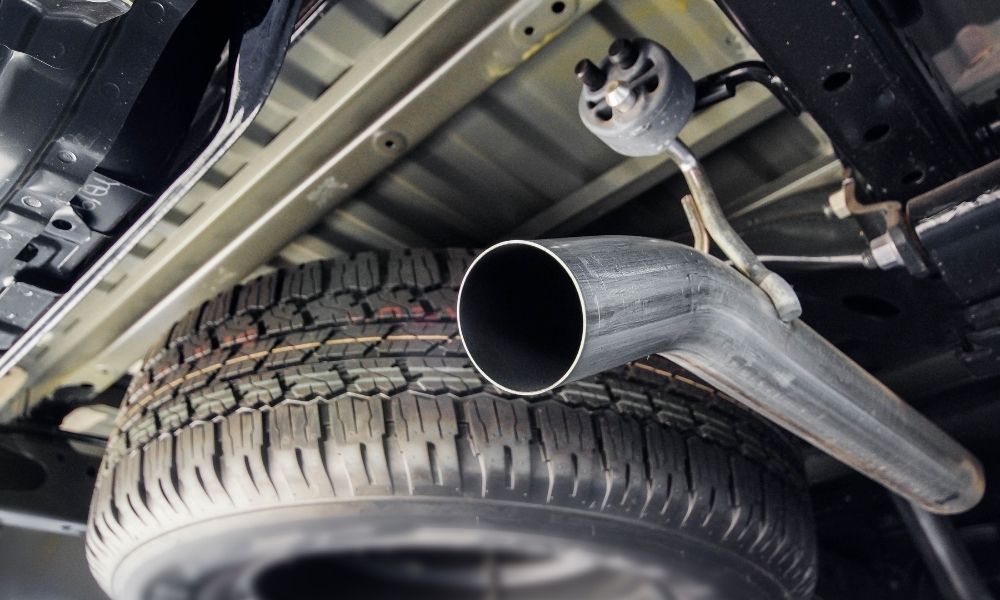
An exhaust system is one easily overlooked truck part, even though it plays a critical role in overall vehicle performance. It is surprising that some truck owners choose to stick with the factory exhaust systems. Maybe it's because they don't know the benefits of upgrading to an aftermarket exhaust system.
Aftermarket exhausts, also known as performance exhaust systems, differ from stock exhausts in a couple of ways. But the main areas of interest that make a difference in a truck's performance are the pipe diameter and pipe bends.
Performance exhaust systems have larger tube diameters than factory exhausts. Therefore, the performance exhausts guide a larger volume of waste gases and combustion products away from the internal combustion engine.
The factory exhaust piping uses the crush bending technique, which restricts airflow. When it comes to performance exhausts, the manufacturers utilize the mandrels technique, which is less restrictive.
With that being said, let's explain how an exhaust upgrade can improve your truck's performance.
One of the first differences you'll see after replacing your stock exhaust system with a performance exhaust is power gains. Since an aftermarket system is less restrictive, it expels a significant amount of waste gases and reduces the backpressure.
By optimizing combustion emissions, your engine will breathe with ease, delivering extra horsepower. The more horsepower your truck engine produces, the better it will accelerate.
Upgrading to an aftermarket exhaust system like a Ford truck performance exhaust can help you save money at the pump. When the power and acceleration increase, your vehicle engine burns fuel with more efficiency. In the long run, the difference in cost is easy to notice.
Approximately 65 percent of the energy generated in the combustion chambers gets lost as waste heat. Nearly 35 percent of the waste heat gets lost to the radiator. The remaining goes out of the tailpipe.
Obstruction along the exhaust system can cause backpressure issues, meaning the heat can't escape properly.
Fortunately, installing a performance exhaust can help avoid this issue that may overload the truck's cooling system, making the engine overheat.
As you can see, upgrading to performance exhaust makes sense. What's more, you can muffle more of your engine noise. After understanding how an exhaust upgrade can improve your truck's performance, it's time to turn to trusted industry experts. Here at Norcal Diesel Performance, we can steer you in the right direction to get the most out of your truck.
A. The horsepower gains from an aftermarket exhaust system vary depending on your truck's engine, existing modifications, and the exhaust design. In many cases, a performance exhaust can improve airflow, reduce backpressure, and deliver noticeable gains in horsepower and throttle response. Diesel trucks often see the most noticeable performance improvements when exhaust upgrades are paired with other supporting modifications.
A. A performance exhaust system can improve fuel efficiency by helping the engine operate more efficiently and expel exhaust gases more effectively. While fuel economy gains vary by vehicle and driving habits, many truck owners report modest improvements in miles per gallon after upgrading from a restrictive factory exhaust system.
A. Factory exhaust systems are designed to meet broad manufacturing, emissions, and cost requirements. Performance exhaust systems typically feature larger pipe diameters, smoother mandrel bends, and less restrictive flow paths. These design improvements can help increase power, improve acceleration, and enhance overall engine efficiency.
A. Yes. Because a performance exhaust allows exhaust gases and heat to exit the engine more efficiently, it can help reduce excessive heat buildup caused by backpressure. Improved exhaust flow can support the cooling system and contribute to more consistent engine operating temperatures, especially when towing or hauling heavy loads.
A. For many truck owners, the answer is yes. A quality aftermarket exhaust can improve engine breathing, increase power delivery, and help manage heat during demanding driving conditions. These benefits can be especially valuable for drivers who tow trailers, carry heavy loads, or regularly use their trucks for work applications.
You must login to post comments.