
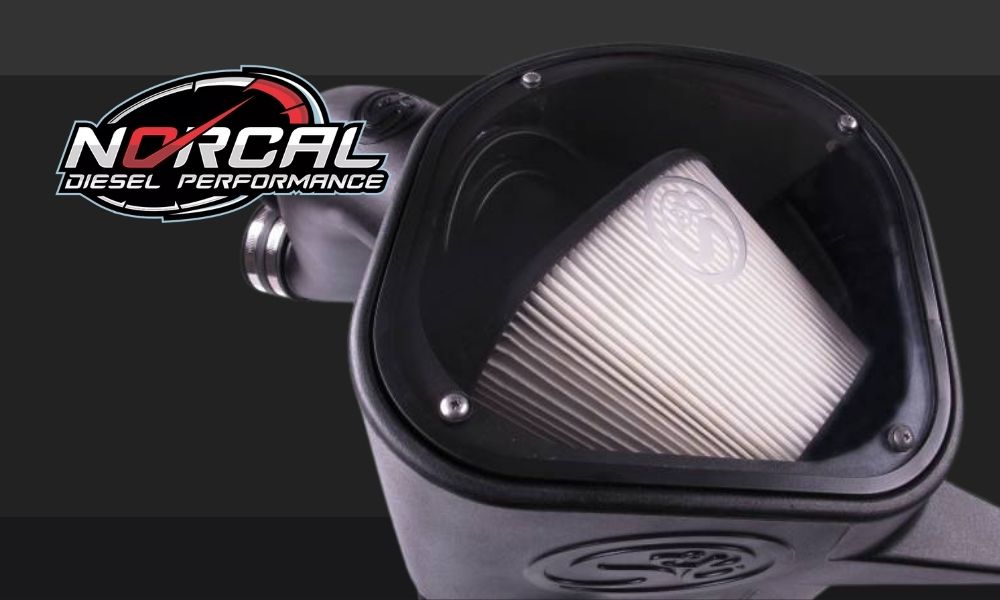
The internal combustion engine in your truck needs air to burn fuel. Maintaining a healthy or sufficient air-fuel ratio is crucial to ensure optimal combustion.
Unfortunately, it's challenging to achieve that with a factory air intake. You may want to consider upgrading to an aftermarket intake system like the 6.7 Cummins cold air intake for better performance.
People are ditching the factory air system because of its airflow restrictions. What's more, the air drawn into the combustion chambers comes from the airbox, which is usually in a characteristically hot engine compartment.
The high temperatures reduce the amount of cool air sucked into the combustion engine. This brings about an air-fuel ratio that doesn't ignite efficiently.
Not convinced yet? Here are three reasons to upgrade your diesel truck's air intake system.
Cold air intake systems place the air filter outside the engine compartment. Another great feature of the aftermarket systems is that they have intake tubes with fewer bends and larger diameters.
These features allow a large volume of cool air into the combustion chambers. When oxygen-rich air runs through the engine, your truck doesn’t struggle to burn fuel.
That means you get more engine horsepower out of every intake stroke. Yes, installing a cold air intake system could add as much as 20 horsepower.
After upgrading your diesel truck's air intake system, you'll notice an immediate difference in vehicle response time.
By giving the engine uninterrupted airflow, the intake system allows a sufficient volume of dense air to become available for combustion as soon as you step on the gas pedal. A cold air intake sucks in a substantial amount of air at a higher speed than a factory system. As such, an upgrade can help you achieve your desired speed much faster.
Installing a cold air intake system is one of the effective ways to make your truck fuel efficient. The combustion process that releases energy to power your truck involves igniting a compressed fuel-air mixture.
Fuel doesn't burn correctly and efficiently when there's a limited percentage of oxygen in the combustion chambers. Besides increasing fuel consumption, a low air-fuel ratio can lead to high smoke and exhaust gas temperature.
We hope these three reasons to upgrade your diesel truck's air intake system are convincing enough. Think of your vehicle intake system as your respiratory system. You won't function at your best with obstructed breathing, especially when you run. Likewise, your truck needs to breathe properly for better performance. You can maximize the oxygen-rich air delivered to the combustion chambers with a cold air intake system.
A. A cold air intake system is an aftermarket upgrade designed to bring cooler, denser air into your diesel engine. Unlike many factory intake systems that draw air from the hot engine bay, a cold air intake helps improve airflow and provides the engine with more oxygen-rich air for combustion.
A. The exact gains vary by vehicle and setup, but many diesel truck owners experience noticeable horsepower improvements after installing a cold air intake. Increased airflow and improved combustion efficiency can help the engine produce more power and perform more effectively under load.
A. Yes. A high-performance air intake system reduces airflow restrictions and allows the engine to receive air more quickly. This can result in faster throttle response, helping your truck accelerate more smoothly and feel more responsive when you press the gas pedal.
A. In many cases, yes. By improving airflow and promoting a more efficient air-fuel mixture, a cold air intake can help the engine burn fuel more effectively. Driving habits, towing conditions, and other modifications will also influence overall fuel economy results.
A. Common signs include sluggish acceleration, poor throttle response, excessive exhaust smoke, and reduced fuel efficiency. If your truck frequently tows heavy loads or has additional performance modifications, upgrading the factory air intake may help unlock better engine performance and efficiency.
You must login to post comments.