
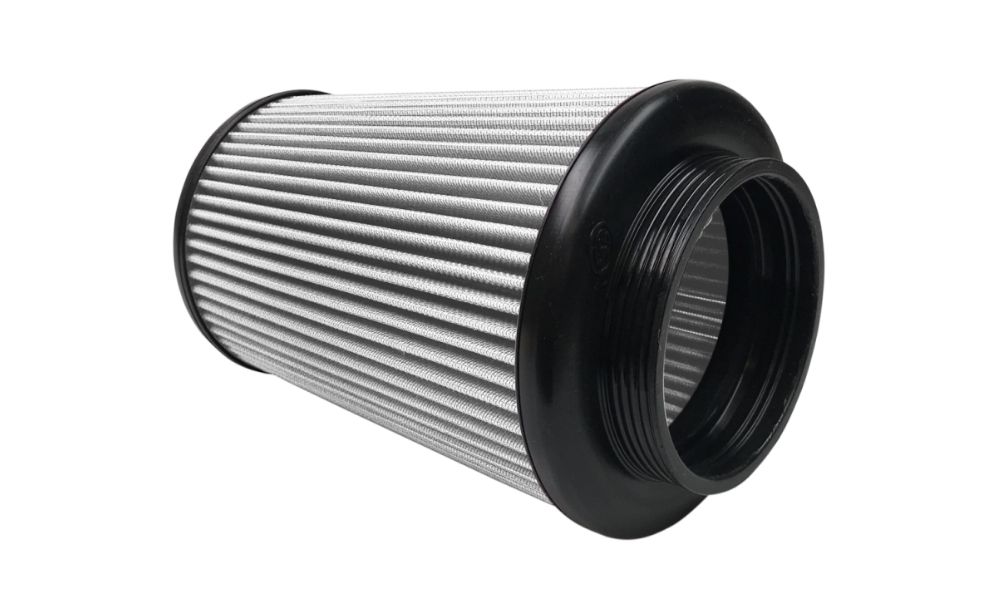
Diesel engines are known for their durability and efficiency, but even the strongest engine needs a little tender loving care every now and then. One of the simplest and most important ways to keep your diesel engine in good shape is to periodically replace the air filter. These are some of the advantages of replacing your diesel’s air filter regularly.
A dirty air filter can cause your engine to work harder and use more fuel. Regularly replacing the air filter can improve your fuel economy by up to 15 percent.
Whenever the air filter gets dirty, it can cause the engine to overheat. This can lead to damage to the engine components and a shorter life span for your diesel engine. Most air filters need to be replaced every 12,000 to 15,000 miles, depending on the truck, the engine, and driving conditions.
Clogged filters can reduce your truck’s power and acceleration while increasing emissions, which are harmful to the environment. Cleaner diesel exhaust means a healthier planet and better performance for your truck.
Regularly replacing your air filter is an inexpensive way to keep your truck running at its best. It may seem like an added expense, but it’s much cheaper in the long run than having to replace engine components because of damage caused by a dirty air filter.
The purpose of an air filter is to protect your engine’s internal components from dirt, dust, debris, and other harmful contaminants that can cause damage over time. If you frequently drive on dirt roads or through construction, it’s a good idea to replace your air filter more often than usual to keep the engine clean and running smoothly.
The advantages of replacing your diesel’s air filter regularly are clear, but proper care and maintenance are just as critical. Proper care of your air filter includes:
If you’re in the market for a new air filter or any other diesel performance parts, Norcal Diesel Performance has you covered. Offering a wide selection of Duramax cold air intake systems and more, Norcal Diesel Performance has everything you need to get the most out of your diesel truck.
A. Signs of a dirty air filter include reduced fuel economy, sluggish acceleration, decreased engine performance, excessive black smoke, and a visibly dirty filter. As a general rule, most diesel air filters should be inspected regularly and replaced according to your manufacturer's recommended maintenance schedule.
A. Yes. When an air filter becomes clogged, it restricts airflow to the engine. This forces the engine to work harder, which can reduce fuel efficiency and increase operating costs. Replacing a dirty air filter helps restore proper airflow and optimal combustion.
A. While many diesel air filters last between 12,000 and 15,000 miles, replacement intervals can vary based on driving conditions. Trucks that frequently operate on dusty roads, construction sites, farms, or off-road environments may require more frequent air filter replacements.
A. A clean air filter can help improve throttle response, acceleration, and overall engine efficiency by ensuring the engine receives the clean airflow it needs. While an air filter alone won't add significant horsepower, it can help your engine perform as intended.
A. Neglecting air filter maintenance can allow airflow restrictions to worsen over time, potentially leading to reduced performance, increased fuel consumption, higher emissions, and unnecessary wear on engine components. Regular air filter replacement is one of the simplest and most cost-effective ways to protect your engine's long-term health.
You must login to post comments.