
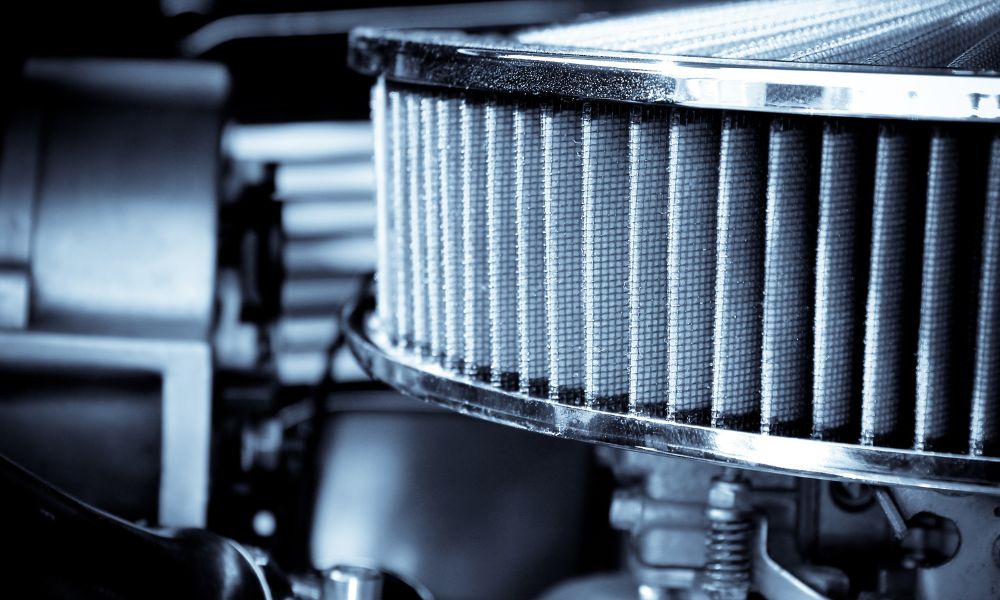
In the world of vehicle repairs, there are some fixes you can do that don’t interact with other car systems very much, but then there are others that do. For example, a new air intake will significantly impact your engine, and if you continue reading, you can learn whether you should tune after installing new air intakes. It’s an important question to ask to ensure you’ve integrated the air intake correctly and that everything else under the hood is responding appropriately.
Before reading further, you should know what exactly car tuning is. As mentioned already, sometimes a new piece of equipment, like an air intake, will change the airflow going to the engine. Whenever this change happens, mechanics say you’ll need to tune your car to ensure the new hardware you’ve installed gets optimized with the rest of the equipment. Finding this proper optimization is necessary for ensuring your vehicle performs at its best.
When you tune, you change the values in the electronic control unit (ECU), values such as:
You can change these values to get a better performance out of your vehicle, but you can also tune your ECU to gain better fuel efficiency.
After understanding what tuning is, ask yourself, “is it right for me and my vehicle?” Depending on the make and model of your vehicle, it may be necessary. Some newer vehicles can better adapt to changes, like a new air intake system, but older vehicles need retuning to ensure everything works.
Unfortunately, tuning can be somewhat expensive if you’re unprepared for it. It’s a great way to make your car run better and potentially more fuel-efficient, and standard tuning can end up being between $50 and $200. However, more complicated tuning can be more expensive, costing between $600 and $700.
Yes, tuning is expensive, pushing some people away from the process. With that said, it’s important to remember that without tuning, your car won’t utilize your new air intake system at 100 percent. This means that your car is still tuned to the previous air intake system, and your vehicle won't be fully taking advantage of a newer, more powerful system. You don’t need to tune your car to utilize a new air intake system, but tuning will help with your performance, and it can help make your engine sound better when you’re driving too!
The decision to tune your car after installing new air intakes is up to you, but tuning should be the next thing on your car modification list if you want your vehicle to work as best as it can. Additionally, each intake varies with how it changes your vehicle, so you must know which air intake you have to tune your car correctly. At Norcal Diesel Performance, we offer a reliable 6.6 Duramax cold air intake that will boost your truck’s performance and make driving much smoother!
A. No. Many vehicles can adapt to a new air intake without a tune, especially newer models with advanced engine management systems. However, a custom tune can help maximize the performance gains and ensure the engine fully takes advantage of the increased airflow.
A. Your vehicle will still run in most cases, but it may not achieve the full horsepower, torque, throttle response, or efficiency benefits the intake can provide. The ECU will continue operating with factory settings that were designed for the original intake system.
A. Yes. A properly calibrated tune can optimize air-to-fuel ratios and other engine parameters, which may improve fuel efficiency while also enhancing overall engine performance.
A. If you are planning to tune the vehicle, it is generally best to do so shortly after the installation. This ensures the ECU is calibrated for the new airflow characteristics and helps you get the most benefit from the upgraded intake system.
A. A quality tune can help ensure engine parameters such as ignition timing and air-to-fuel ratios are properly optimized for the new intake. This can improve drivability, performance consistency, and overall engine operation following the modification.
You must login to post comments.